Trusted Support System for Caregivers in Indianapolis
Creating a robust support system for caregivers is the most effective way to move from survival mode to thriving while raising a medically complex child. As a premier provider of home health care in Indianapolis, Tendercare Home Health empowers families through professional pediatric nursing and community resources. Learn how to build your “squad” and find reliable support.
Squad Care
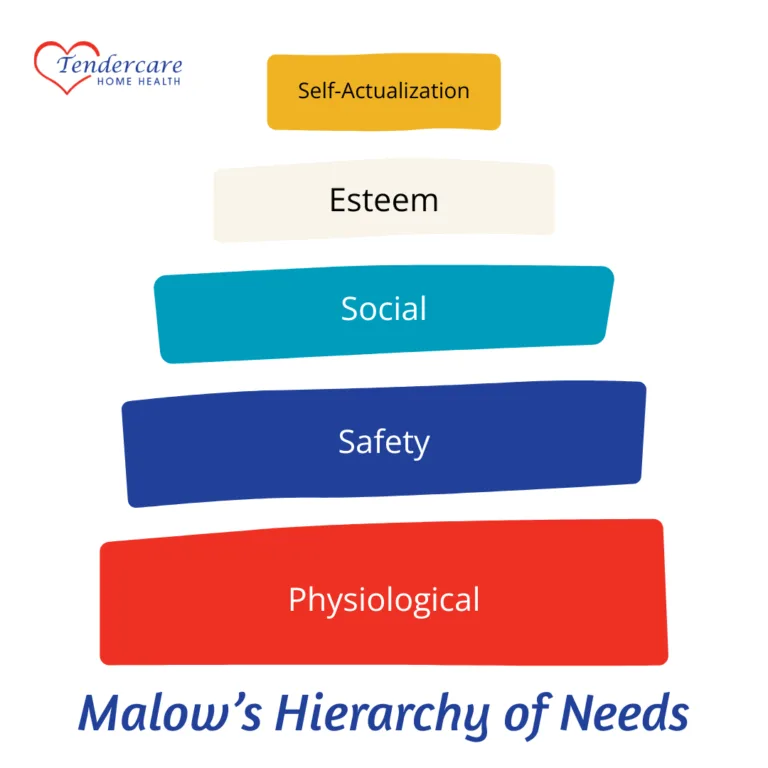
For decades, we’ve used Maslow’s Hierarchy of Needs to understand our very human motivations. If you’re not familiar, the basic concept is that we must meet foundational needs—like shelter and safety—before moving on to higher ones.
When caregivers focus only on the lower-level needs of Maslow’s Hierarchy and neglect higher-level needs like love and belonging, research shows this eventually leads to poorer physical and mental health outcomes for caregivers.
Caregiving and the Limits of “Self-Care”
As a caregiver of a medically complex child, taking care of yourself isn’t just about bubble baths.
When we become caregivers, the first parts of our lives we often let go of are relationships.
The thing about “self-care,” as a caregiver, is that you cannot wait until “everything else is done.” The hard truth of caring for a child with a serious medical condition is that you will never get everything done—not even the list of the most pressing priorities.
Our system is not designed to provide the level of support families need to manage these situations in a way that allows it all to get done.
Because of this, I don’t love the term self-care. I prefer squad care—mutual aid and peer support. There are complex social, economic, and political forces that impact caregiver wellness, and remediating the effects of collective action (or the lack of it) is not a DIY activity (also known as “self-care”).
Why Squad Care Matters
Building a strong support system—or squad care—has to be at the top of a caregiver’s priority list so you’re able to move out of survival mode.
Bringing together:
-
Family involvement
-
Professional pediatric care
-
Community resources
-
Financial assistance
creates a strong foundation that empowers caregivers to deliver comprehensive and compassionate care for their child.
The squad you build doesn’t just improve your child’s health outcomes—it also enhances your family’s quality of life by reducing stress and fostering emotional resilience.
A strong support system is not just about medical care. It’s about creating a nurturing environment where your child and family can thrive, despite the challenges you face.
Emotional Support Needs of Families with Medically Complex Children
What the research tells us
Caregivers often experience elevated levels of stress due to the constant demands of managing complex health conditions.
-
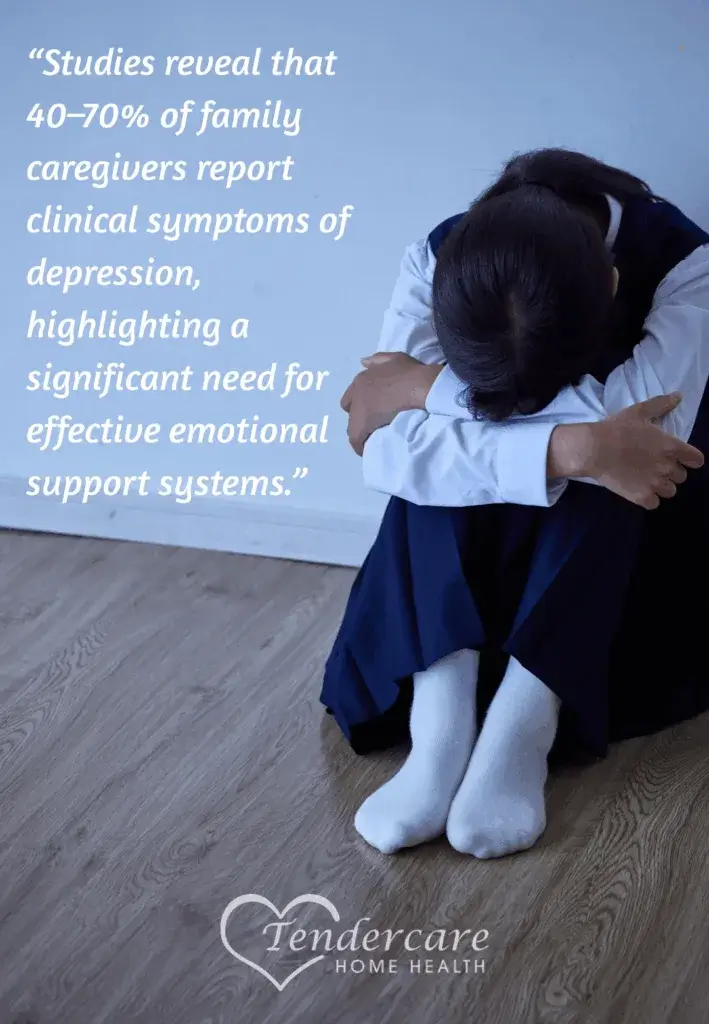
Studies reveal that 40–70% of family caregivers report clinical symptoms of depression, highlighting a significant need for effective emotional support systems.
-
Caregivers of medically complex children experience poorer mental health compared to those caring for children without such complexities. This distress can manifest as anxiety, feeling overwhelmed, and social isolation, all of which negatively affect family dynamics.
-
Research consistently shows that robust social support networks significantly lower psychological distress among caregivers. Having people to share experiences with helps relieve the isolation many caregivers feel.
Engaging in squad care practices and seeking emotional support leads to better mental well-being for caregivers.
What This Means for Caregivers
The challenge for caregivers is learning how not to let trauma stop everything else.
That means not letting trauma halt:
-
Your relationships
-
Your personal growth
-
Your sense of satisfaction and reward
“I’m not willing to give up what I want to do for what I have to do.”
Your job is to figure out how to make that possible—cutting corners where you can—so you can live a life of meaning and purpose while ensuring everyone in the family has what they need to be adjusted humans.
Figure out what is life-sustaining.
It is okay to be someone outside of the roles of mom, advocate, activist, nurse, or IEP meeting leader. Those roles are important—but they are not the only parts of who you are.

What Is a Support System?
A support system is a network of people who provide practical and/or emotional support. While support systems come in many forms, they are all rooted in love and care—people you can trust and rely on.
Support systems may include:
-
Work colleagues, friends, neighbors, and other caregivers
-
Any adult with an abundance of care and concern for you
-
Individuals who encourage open and honest communication
Questions to Consider When Building a Support System
-
How might I add help in a way that is trustworthy and worth my time and investment?
-
What can I delegate—to technology, a service provider, or another day?
-
What is the imperfect I can live with?
-
What other services could bring value to my life or experience?
Other people may not do things exactly the way you would or commit the same amount of time—but they can still add meaningful value.
Why Connect?
Connection sets the stage for better days.
Caregivers cannot continue to give without receiving. It’s like the Dead Sea—nothing can live there because it has an inlet but no outlet.
Much of caregiving is like running a small business. We delegate in business because it’s logical and practical. As the CEO of your caregiving “business,” your goal is to bring in the skills and talents of others so the system runs more smoothly.
Connection can help you:
-
Find parents who understand your fears, dreams, and sense of humor
-
Learn about services from real parents—not just online searches
-
Gain insight from families who’ve experienced the same surgeries
-
Get guidance on IEPs when time is tight and questions are urgent
The future may feel complicated, but other parents can offer coping skills and clarity that help show the way forward.
As you connect with other parents of children with disabilities and special health care needs, look for those special allies who can make your journey a little easier.
Delegation Within a Support System
-
Having a squad means being open about your struggles—even when it’s hard. People can’t help if they don’t know what’s going on.
-
Ask for—and accept—help. Caregiving days are unpredictable. Being okay with receiving help is often the most important skill to develop.
-
Simple ways to delegate:
-
Ask a friend to grocery shop
-
Ask someone to pick up prescriptions
-
Arrange lawn care
-
Keep a small list handy for when people ask how they can help
-
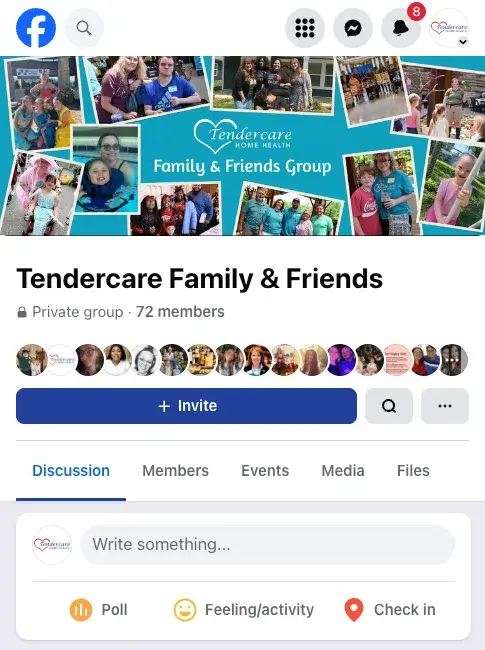
Using Social Media for Support
Sometimes connecting in person feels overwhelming—especially during winter months when medically complex children may stay home to avoid illness.
Social media has become a valuable support tool for parents of children with special health care needs.
-
Platforms like Facebook allow parents to connect with others who share similar experiences.
-
Online groups provide immediate access to emotional support and practical advice rooted in real life.
-
Groups can be tailored to specific needs, including care routines, navigating healthcare systems, and using durable medical equipment.
Finding Your People
-
When you find your people, you just know it.
You can breathe a little easier. There’s a sense of community and understanding—of being seen by someone who truly gets you, your child, or even your culture.
Every person is like a puzzle. The more pieces you share with someone else, the deeper their understanding of what you face every day.
And that understanding can make all the difference.
Would it help to talk to someone about building your support system?
This blog was written by Darcy, and she’s available to help connect you with resources and support when you need it.
Darcy Tower
Director of Advocacy & Community Relations
Phone: (317) 251-0700 ext. 404
Email: darcy.tower@tchhs.net