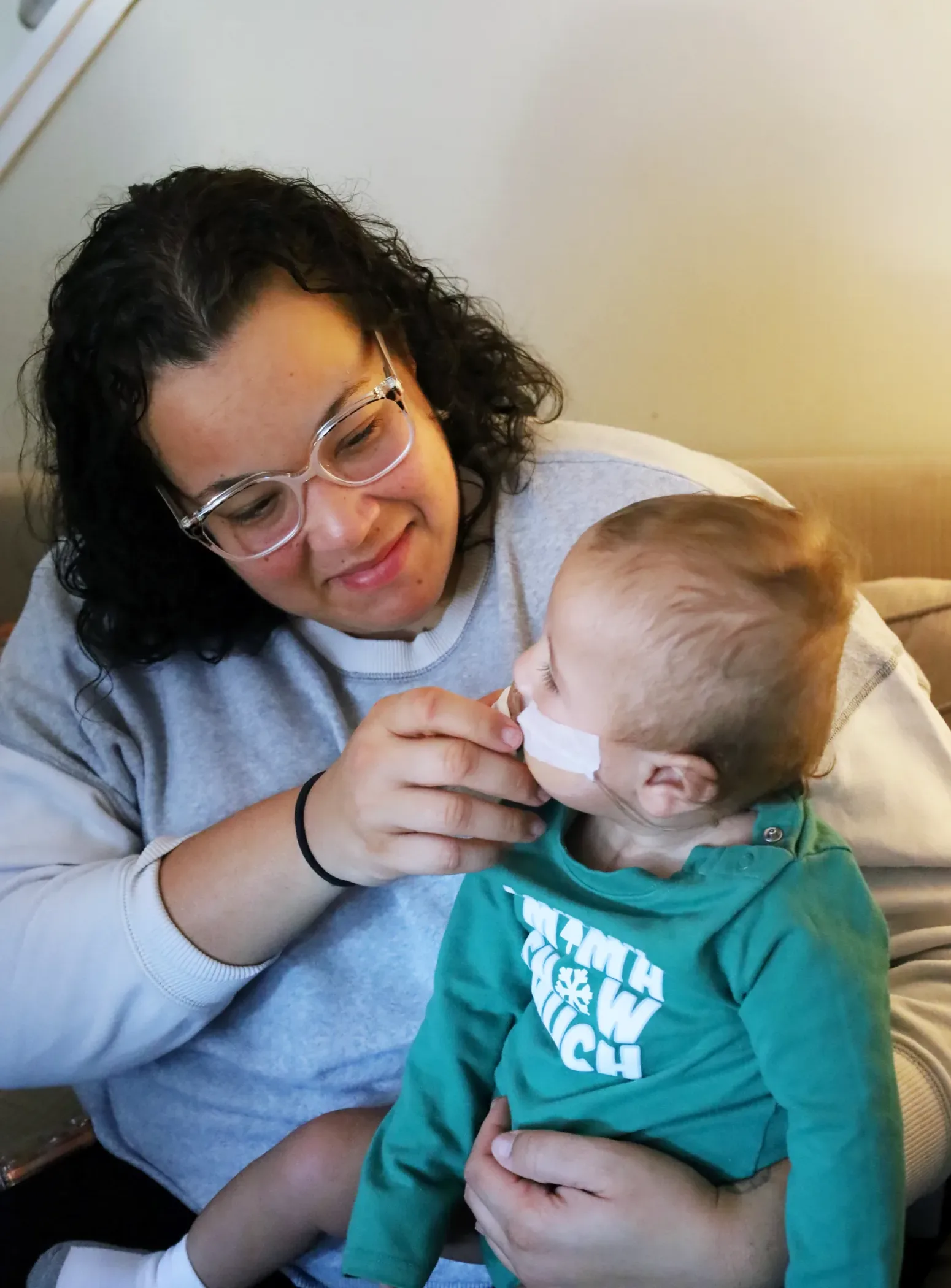
Welcoming a new nurse into your home can bring both comfort and change. This person will play an important role in your loved one’s care and quickly become part of your daily routine. It’s natural to want to learn more about them, how they work, and how they’ll fit into your family’s rhythm.
These questions can help open conversations and build a foundation of trust and understanding. You don’t have to ask them all at once. Let them guide your early chats and help everyone feel more comfortable as you settle into this new partnership.
The goal isn’t to “interview” your nurse since Tendercare handles hiring and training. These questions can help you connect and build understanding with the person providing care in your home. They shouldn’t be asked all at once, but can be rephrased and peppered into normal conversation.
Understanding Their Experience
Many families start by asking about a nurse’s background. Learning about their experience helps you feel confident, and it also gives your nurse an opportunity to share what they’re proud of.
- What do you enjoy most about caring for patients and families in the home?
- How long have you worked in home health or nursing care?
- Have you cared for patients with needs similar to my loved one’s?
Learning Their Approach to Care
Every nurse has their own rhythm and style. Some are more structured, while others take a flexible approach. These questions help you understand how your nurse organizes the day and interacts with your loved one.
- How do you usually start your day when you arrive for a shift?
- How do you like to communicate updates during or after a shift?
- What helps you learn a new care routine quickly?
Building Communication and Trust
Trust grows through consistency, honesty, and respect. Talking openly about communication early on helps prevent confusion later.
- How do you prefer to receive feedback or reminders?
- What’s the best way for us to share updates or concerns?
- How do you like to collaborate with families during care?
- What helps you feel comfortable asking questions or clarifying details?
- How do you build trust with the patients and families you work with?
Fitting into Family Life
When nursing begins, everyone is adjusting, including family members and the nurse. These questions can help you understand how your nurse fits into the rhythm of your home while maintaining professionalism.
- Our family has a few routines that matter to us. Do you feel you’ll be able to adapt to our routine?
- Are you comfortable being part of family activities or outings when it’s appropriate?
- How do you handle transitions between shifts or when working with multiple nurses in one home?
Handling Challenges and Emergencies
Even with the best planning, unexpected moments happen. Understanding how your nurse manages these situations can help you feel confident and prepared.
- How do you stay calm in stressful situations like when something unexpected happens?
- What helps you de-stress or recharge?
- How can we support you in feeling comfortable and confident here?
What to Listen For
When you ask these questions, listen not only to the answers but to the meaning behind them. A great nurse speaks with patience and confidence. They show curiosity about your loved one and genuine interest in your family’s routines.
If your nurse talks about teamwork, communication, and empathy, that’s a good sign. It means they see this as a shared journey, not just a job.
It’s also okay if your nurse seems a little nervous at first. Starting with a new family can be just as overwhelming for them as it is for you. Compassion and clear communication go a long way in helping everyone feel at ease.
Building Connection Over Time
Getting to know your nurse is an ongoing process. You’ll learn each other’s preferences and rhythms naturally as the days go by. Celebrate small milestones such as your nurse mastering a new piece of equipment or your loved one feeling more comfortable with them.
If something isn’t working, talk about it early and kindly. Most issues can be resolved with open communication. Both families and nurses are adjusting to new routines, and patience helps those routines settle into something that feels natural.
Some families find it helpful to create a care notebook or shared log. This can include medication times, supply checklists, therapy notes, or small observations about your loved one’s mood and behavior. Over time, these shared notes help everyone stay on the same page.
We’re All on the Same Team
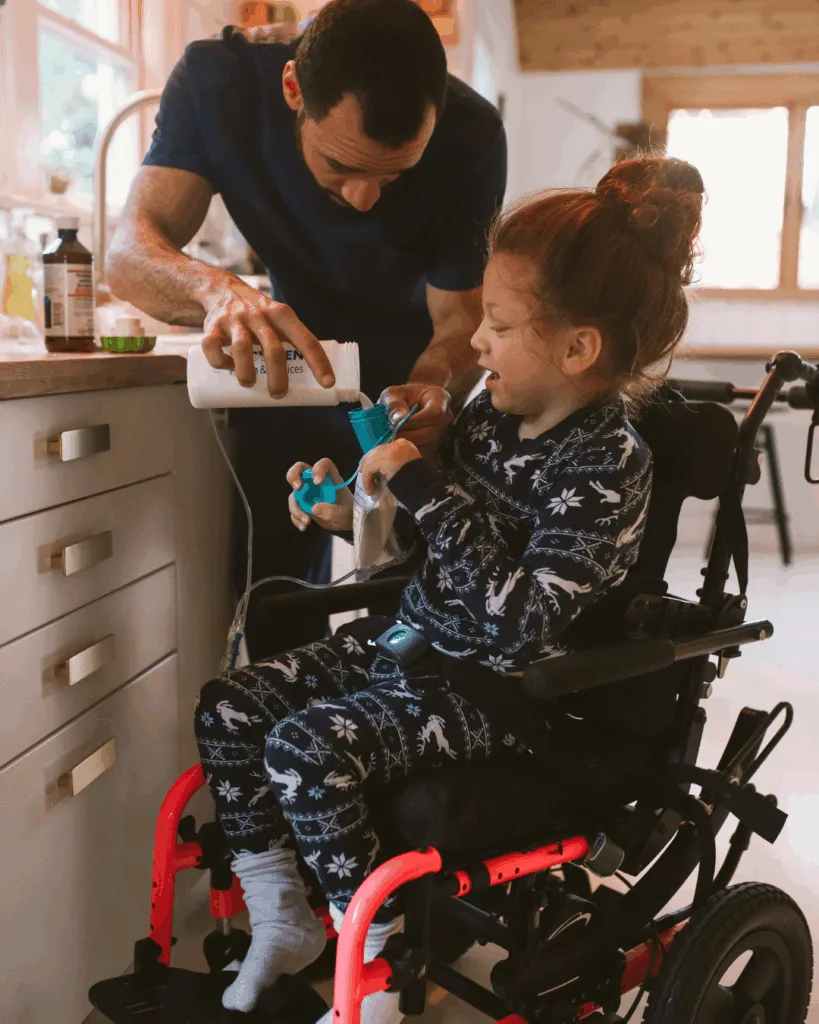
Strong in-home care depends on strong relationships. When nurses and families understand and respect one another, care becomes more consistent and meaningful. Your nurse isn’t just there to provide medical support. They’re part of your loved one’s daily life and your family’s circle of care. Taking time to connect makes a difference for everyone.
Looking to further work on the relationship with your in-home nurse?
For more guidance on communication, boundaries, and building a strong partnership with your nurse, read our companion post, Building a Great Relationship with Your In-Home Nurse.