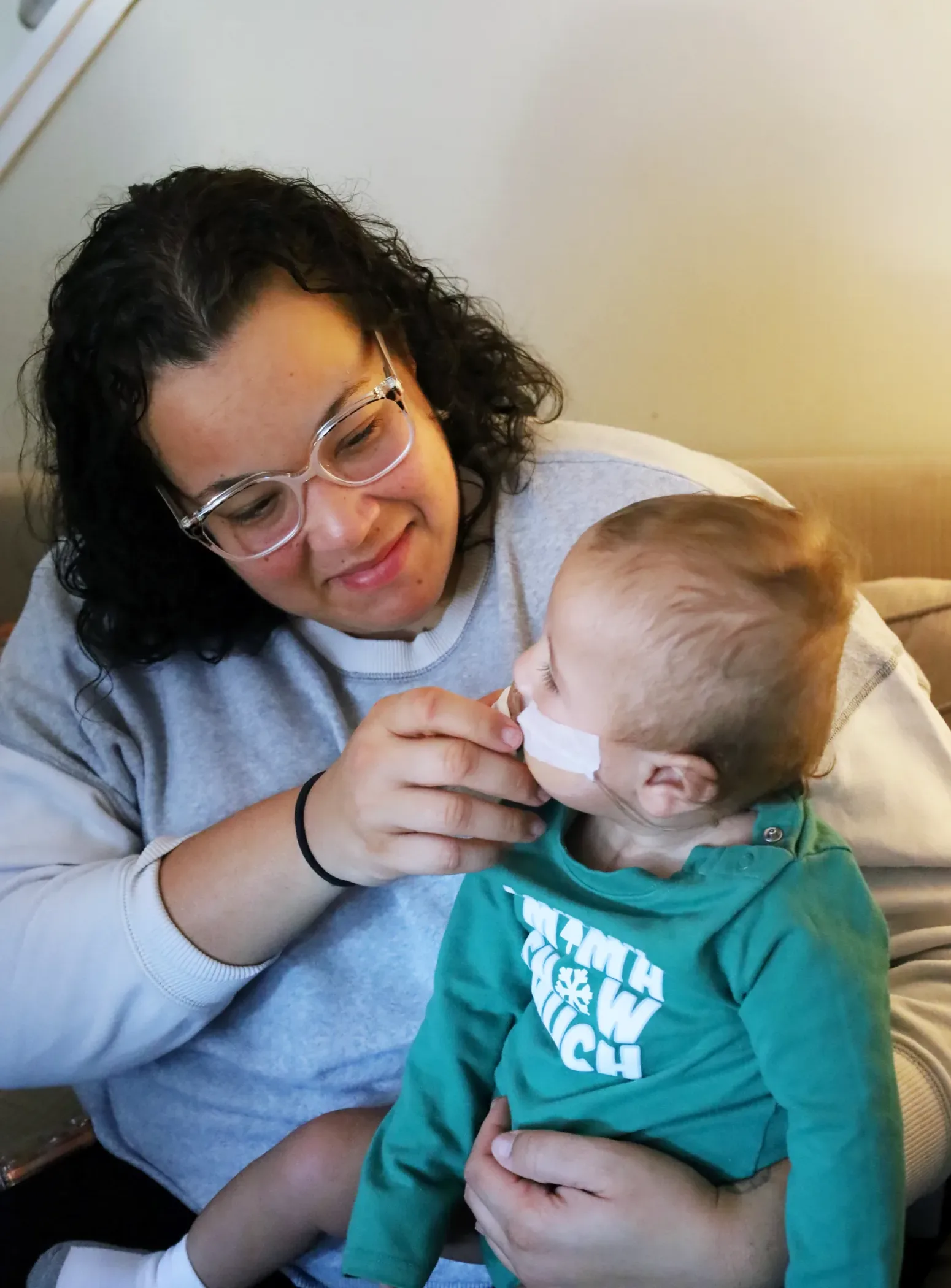
When your child’s medical needs become more complex, whether after a long hospital stay, a sudden change in health, or a new diagnosis, it can be hard to know what comes next. Many parents don’t realize that their child might qualify for in-home extended hour nursing care or even that such support exists.
If your child has a medically complex diagnosis, they likely qualify for a form of Medicaid through Traditional or Managed Care Medicaid. Both Traditional and Managed Medicaid allow for in-home nursing for qualifying families.
In-home nursing provides skilled medical care right where your child feels safest: home. It bridges the gap between hospital and family life, helping children live as fully as possible while ensuring their medical needs are met by trained professionals.
If you’ve ever wondered whether your child could receive nursing at home, this guide walks through the key signs, how to qualify, and what steps to take next.

What In-Home Nursing Is (and Isn’t)
In-home nursing is more than an extra set of helping hands. It’s skilled, clinical care performed by licensed nurses who are trained to meet the skilled needs of medically complex children and adults.
These nurses can perform a wide range of tasks, from managing ventilators and feeding tubes to monitoring seizures and providing medications. They help families maintain stability, offering peace of mind and consistent support without the stress of repeated hospital visits.
Unlike caregiving or attendant care, which focuses on daily living tasks, in-home nursing provides medical oversight and intervention for conditions that require professional training and state licensure.
Who Might Qualify for In-Home Nursing
Every family’s situation is different, but in general, children and adults qualify for in-home nursing when they have ongoing, medically necessary needs that must be managed by a nurse.
Here are some common examples of conditions Medicaid may consider to qualify:
- A child who needs help from a machine to breathe (ventilator, BiPap, or CPAP)
- A child who uses oxygen
- A child who has a tracheostomy to breathe
- A child who uses a feeding tube (nasogastric, gastrostomy)
- A child who relies on peritoneal dialysis
- A child who needs catheterization to urinate
- A child with an ostomy
- A child who needs intravenous nutrition
- A child who has pressure sores or is at risk due to paralysis
- A child who has seizures requiring nursing interventions
- A child with other conditions requiring complex or frequent medical interventions
Even if your child’s condition isn’t listed here, they may still qualify. Some children have multiple diagnoses that together require nursing-level support.
If your loved one’s medical needs make it unsafe or overwhelming to care for them without skilled help, it’s worth exploring your options.
Medicaid also considers a family’s household dynamic when approving in-home nursing. In addition to clinical diagnosis, Medicaid considers the following to qualify:
- Work schedules of trained caregivers who live in the household
- When more than one trained caregiver is available outside of work hours to provide care.
- School/ABA schedules of the child who needs nursing
- Number of other children in the home and the care plan for those children while a nurse is in the home. Nurses are not permitted to provide childcare to other children in the home.
- If there is an alternate paid caregiver of other Medicaid services in the home. This could be in-home ABA analysts, waiver services, school-based services and therapy services

Why Many Families Don’t Know They Qualify
Hospitals don’t always arrange for nursing at discharge, and they may not tell families that home nursing is an option. Parents often assume that once they go home, they’re on their own, but that’s not true.
Families sometimes think nursing is only for children who are critically ill or permanently dependent on machines. In reality, nursing can also help children who need temporary or part-time skilled support as they heal or stabilize.
Darcy Tower, Tendercare’s Director of Advocacy & Community Relations, hears this often from new families:
“There are still many parents in the NICU who don’t even consider themselves ‘caregivers.’ They’re just trying to get their child home safely. But many of those children already qualify for nursing, their families just don’t know it yet.”
How to Start the Process
If you think your child might qualify for in-home nursing, here’s what to do next.
- Contact Tendercare for an initial conversation.
Our team can help you understand whether your child’s condition and care needs may qualify for nursing and guide you through the process of applying. - Gather medical information.
Documentation from your child’s specialists or hospital stay will help determine what level of care is needed. We’ll work with your physicians and case managers to make sure all the right paperwork is in place. - Explore coverage options.
In-home nursing can be funded through a few different paths:- Indiana Medicaid Waivers (such as the Family Supports Waiver, CIH Waiver, Health and Wellness Waiver and Traumatic Brain Injury Waiver)
- Managed Medicaid programs such as Hoosier Care Connect and Hoosier Healthwise.
- Private insurance plans
- Combination of both, depending on eligibility. Our staff can explain what your insurance covers and help coordinate authorizations.
- Meet your care team.
Once approved, Tendercare will begin the matching process, connecting you with nurses who have the right skills, personality, and experience for your child’s needs.
What Makes In-Home Nursing Different
Families who qualify for nursing often tell us the biggest change isn’t just in their child’s health; it’s in their home life. Having nurses you trust brings balance and relief, allowing parents to rest, work, and focus on being a family again.
Our nurses provide one-on-one attention that helps children thrive. Because we match nurses to each family’s specific needs, they become a natural extension of the home. They understand your child’s routines, comfort preferences, and communication styles.
Once you know your nurses and trust them to travel independently with your child, we encourage nurses to engage in community outings with patients. Tendercare nurses take patients to the zoo, children’s museum, Colt’s practice, or anywhere else that the patient may find enjoyment or enrichment.
What to Expect Once You’re Approved
Bringing a nurse into your home can take some adjustment, but most families find comfort in knowing their child’s medical needs are always being met. Here’s what happens next.
- An individualized care plan is created based on your child’s physician’s orders and daily needs.
- Nurses are introduced gradually so your family can get to know them and feel comfortable.
- Schedules are built around your life and the authorization provided by Medicaid.
- Ongoing communication between nurses, families, and the Tendercare team ensures that care stays consistent and adaptable as your child grows or needs change.
A Team That Understands What Families Need
Tendercare is family-owned and operated. For more than 30 years, we’ve provided compassionate in-home nursing for children and adults across Indiana. Our leadership team includes nurses and caregivers who understand both sides, the clinical and the emotional.
We know it can be difficult to invite someone new into your home. That’s why we focus on long-term nurse-family matches. Many of our nurses have been with their patients for years, becoming trusted friends who celebrate birthdays, attend school events, and share milestones.

When to Ask for Help
If you’re noticing any of the following, it might be time to explore nursing support.
- Your child’s medical needs are becoming too complex to manage alone
- You’ve been told your child will be discharged soon, but you’re unsure how to handle their care at home
- You feel burned out or fearful of making a mistake with equipment or medications
- Your child requires frequent monitoring or interventions, especially overnight
- You’ve had to turn down work, sleep, or time for yourself because of care demands
These are signs that it’s okay to ask for help, and that help is available.
You Don’t Have to Figure It Out Alone
Every family’s situation is unique, and qualifying for in-home nursing depends on several factors including medical needs, insurance, and physician recommendations. But one thing is always true: if you’re caring for a medically complex child, you deserve support.
Tendercare can help you understand your options, connect you with the right resources, and walk beside you through the entire process.
You don’t have to wait for the next hospital stay or emergency to explore help. Sometimes the first step toward stability is simply asking the question, “Could we get nursing at home?”
If you’d like to talk with someone about whether your child may qualify for in-home nursing, contact:
Darcy Tower
Director of Advocacy & Community Relations
📧 darcy.tower@tchhs.net