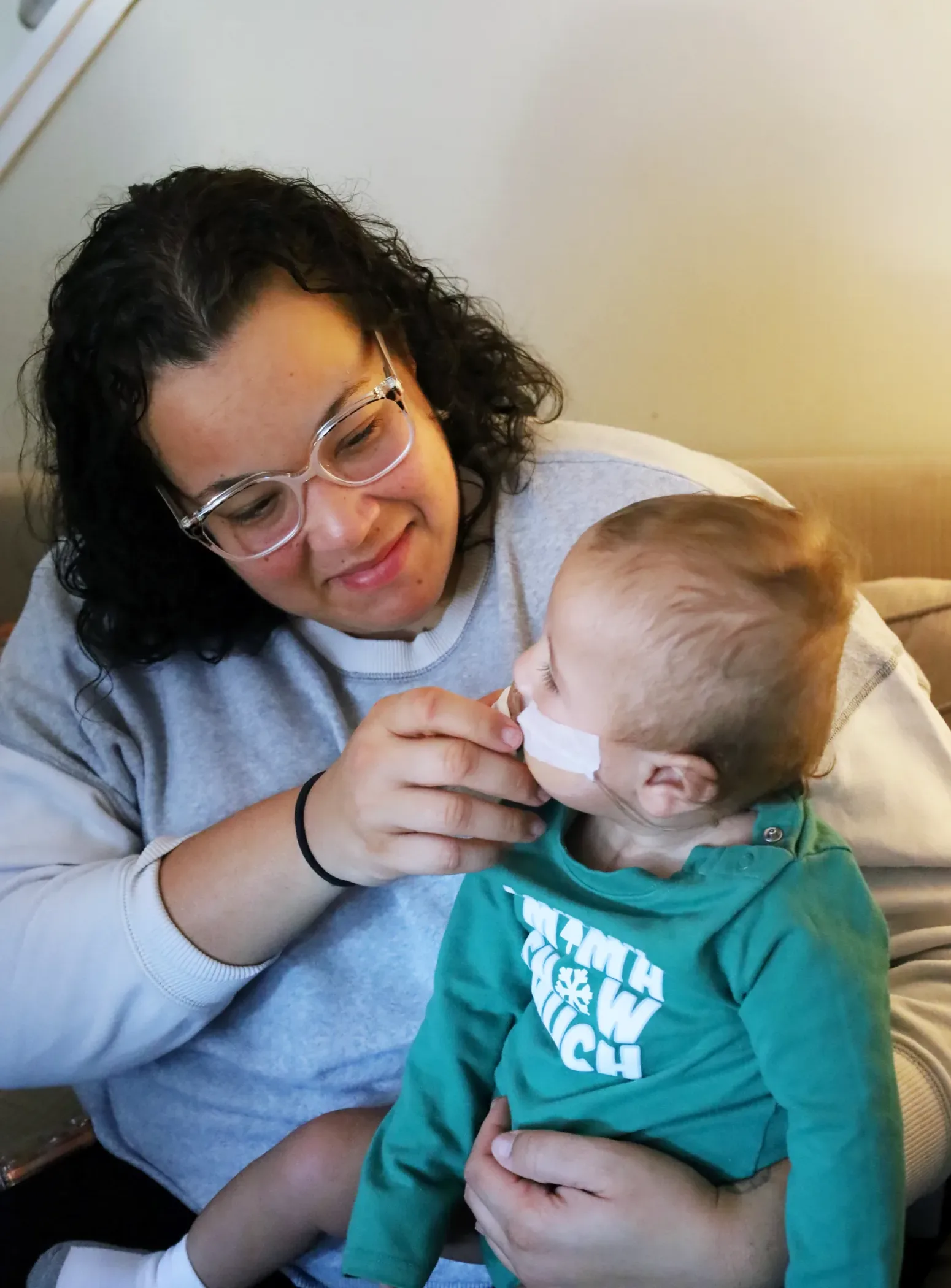
Transition is defined as “the process or a period of changing from one state or condition to another.” When you think about your life’s trajectory, it’s incredible to reflect on the vast array of transitions you have experienced—physical, emotional, social, and cognitive. As adults, we know transitions are inevitable, whether they’re big milestones like moving into a new home or starting a new job, or smaller shifts like changes to our daily routine. While these moments can feel like rocky terrain, our resilience helps us adapt and manage the stress, anxiety, and uncertainty that often come with change.

For medically complex children and their families, the transition to adulthood can be one of the most challenging and life-changing times. It looks different for every individual and every family. Transitional care is complicated by a wide range of needs, including neurodevelopmental and functional limitations. Because disease severity and associated impairments vary, healthcare must be deeply personalized throughout a child’s life. Transition-associated goals should reflect your child’s unique needs, gifts, and goals.
As a medically complex parent, you already know the healthcare system well. You know the language, the routines, and you’ve likely become an expert advocate for your child. Many children with chronic conditions are diagnosed at a young age, giving you years to build deep relationships with providers—doctors, specialists, therapists, educators, and social workers—who have become part of your family’s circle. The thought of leaving these trusted providers when your child turns 18 or 19 can be overwhelming.
Even so, being informed and prepared for the shift from pediatric to adult care is critical. This change requires significant coordination, energy, and communication—not just for you as a caregiver, but for your child as well. It’s a major shift in how care is delivered, managed, and experienced

Our Commitment to Supporting Families in Transition
The transition to adulthood should be an intentional process, not a single event. Every young person’s journey is unique, so we provide families with a variety of resources and community connections to help guide you through this period of change. First, know that you’re not alone! There are a lot of people and programs that can help. It’s a hard journey caring for a child with lots of needs, but you are here to learn what to do. That’s a great step.
Our goal is to empower you with tools and connections that fit your child’s individual needs and your family’s vision for their future.

Key Areas of Focus
The transition to adulthood for medically complex youth touches many parts of life, and each family’s priorities will look different. These are some of the areas that will benefit from thoughtful planning and the right resources:
Severe Disabilities: Transition planning should be based on you and your child’s vision for their future whether that’s living with you or in a supported living situation, learning ways your child can engage with community, incorporating activities that make them happy
- Life After High School – Exploring options for further education, employment, and community engagement.
- Finding the Right Mix of New Routines – Balancing independence with the right amount of support.
- Healthcare and Guardianship – Navigating adult medical systems, decision-making roles, and legal considerations.
- Facilitating Access to Resources – Connecting with community programs, benefits, and services that match your young adult’s needs.
- Transitioning as a Family – Supporting siblings, managing changing household dynamics, and maintaining caregiver well-being.
- Taking care of yourself: Tips not just about bubble baths that focus on taking real breaks as you begin transition to adult services and after.
What’s Next
This is just the start of an ongoing conversation. In future posts, we’ll dive deeper into each of these key focus areas and share tools, family stories, and community partnerships that can help make this journey a little smoother for everyone involved.
If you’re a caregiver of a medically complex child approaching adulthood, we want to hear from you. Your experiences can help shape the resources and support available to other families navigating this same path.
Reach out today to learn how we can walk alongside you and your loved one through every season of care.