Dinner at the Bruce House
In the Bruce household, dinner doesn’t just begin with the question, “What are we eating?”
Instead, the nightly debate is about something much more important.
Who gets to sit next to Ambrose?
When we visited, the kitchen buzzed with energy. Marisa was slicing fresh sourdough she’d baked earlier—something she’d managed to do while staying up overnight during her care shift. Tonight, it was destined for grilled cheese.
Marisa and John worked together well to keep the kitchen moving. Rotating between chatting about their family and being fully immersed in the excitement leading up to dinner. There was plenty of laughter filling the kitchen as dinner was about to be served.
Their three boys gathered to help set the table as dinner was finishing up.
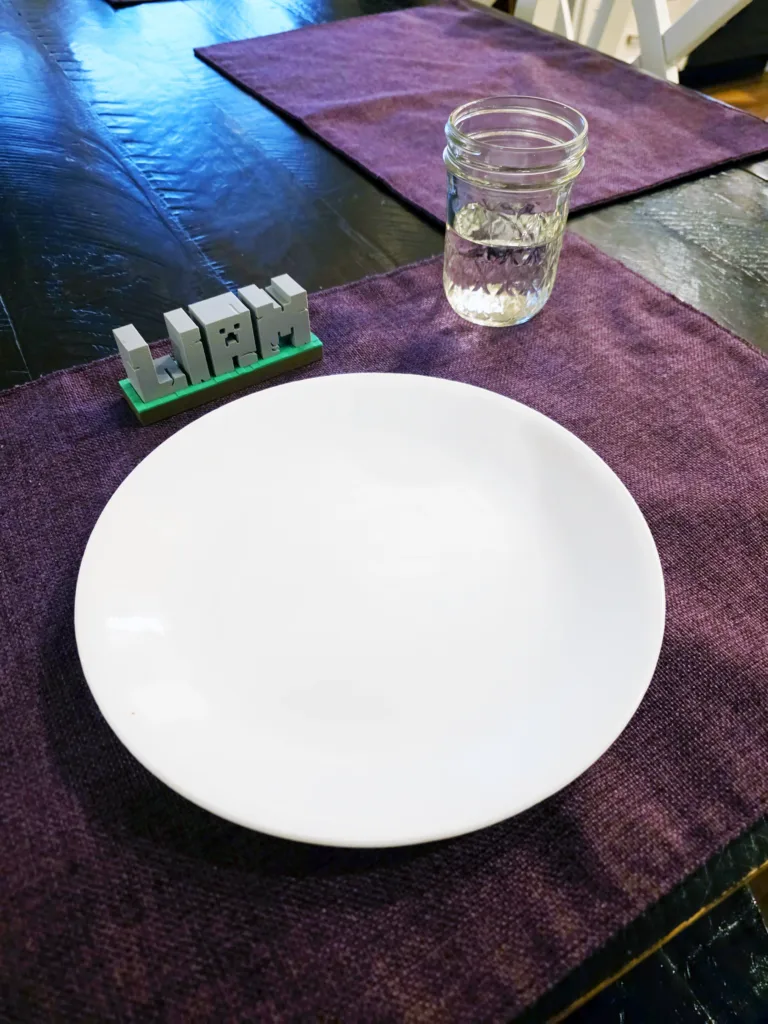
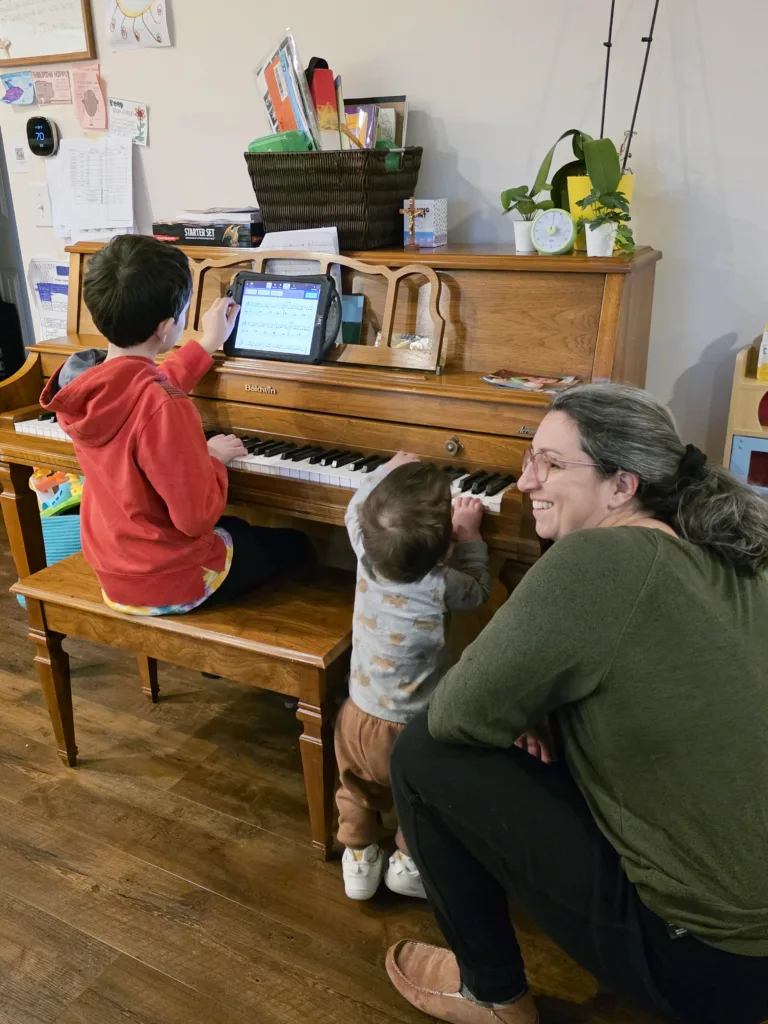
Liam is the oldest at nine and is thoughtful and observant. He loves Legos and plays piano. Throughout the evening, if his name was mentioned, he’d notice even if he was in another room. You can tell he’s always paying attention to what’s happening in the fast-paced home around him.
Cyprian, the middle brother, brings a very different energy. He bounces around the kitchen talking excitedly about his first lacrosse practice the next day, clearly thrilled about the milestone. He took special interest in guests and was the life of the party.
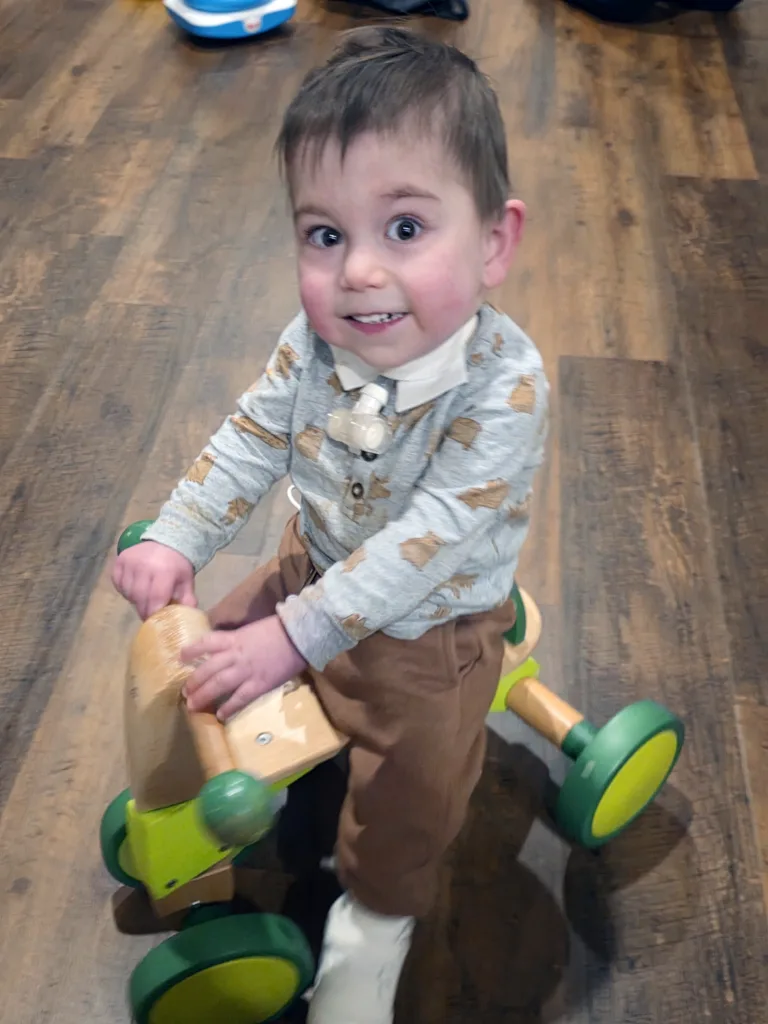
And then there’s the sweet, charming Ambrose.
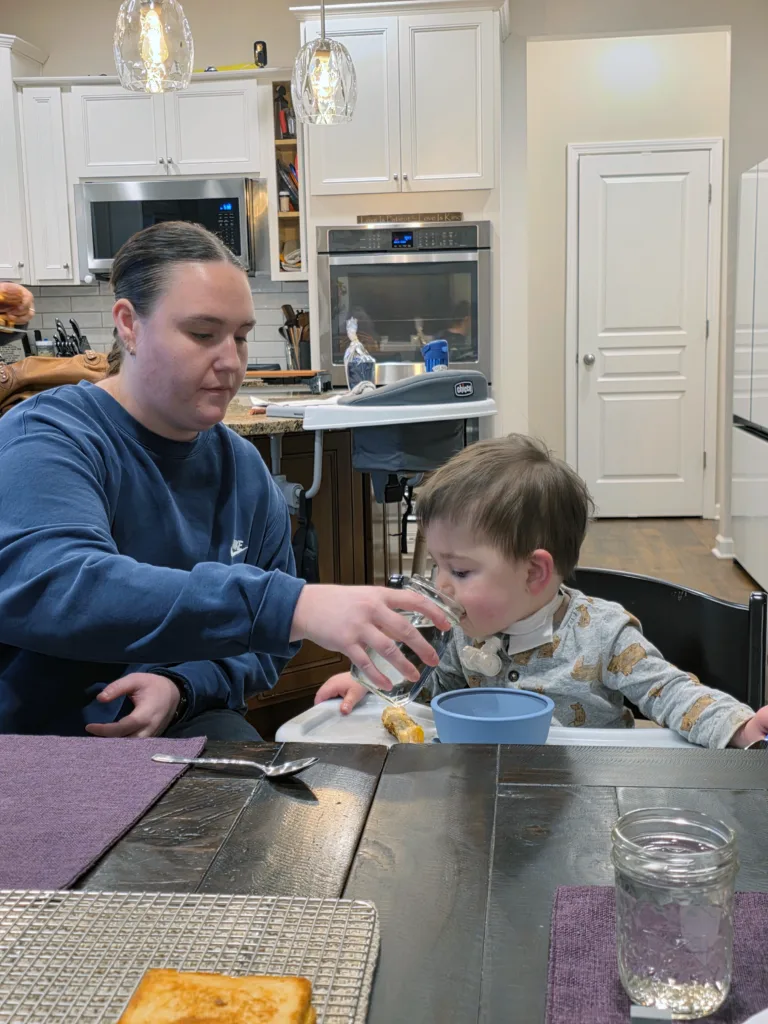
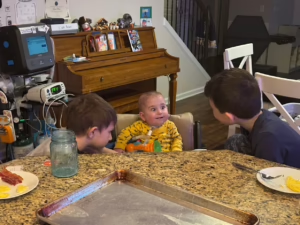
At dinner, he sits between a brother on one side and his nurse on the other. His siblings compete so often for the honor of sitting next to him that the family eventually created a rotation schedule. Even that wasn’t enough structure for this crew! They used the 3D printer they received as a family Christmas gift to create name placards for every seat at the table.
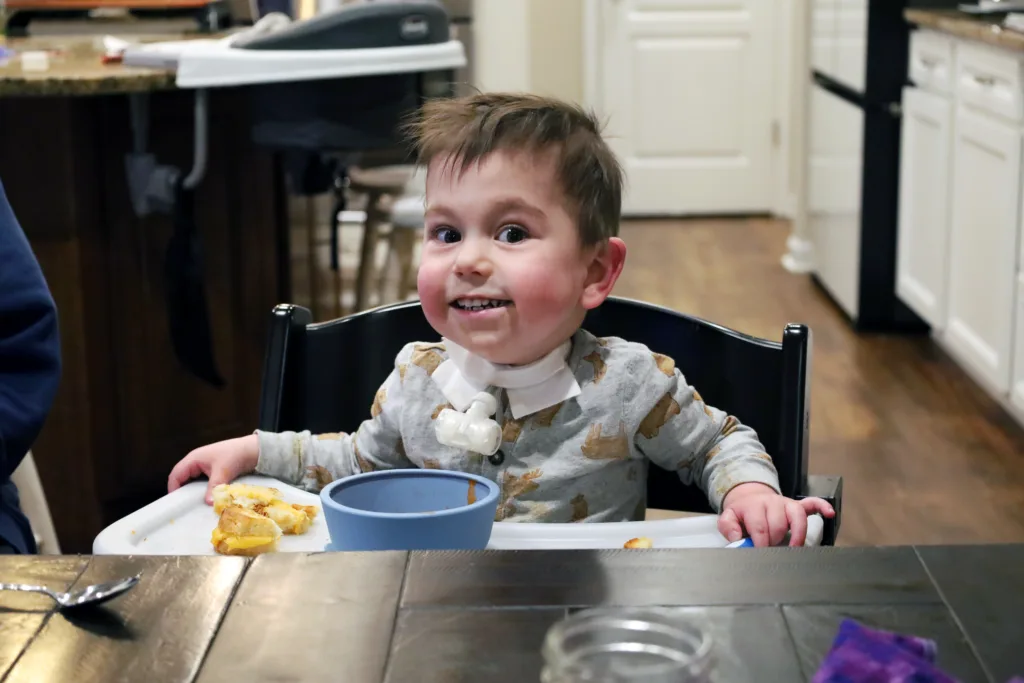
Ambrose is learning to eat by mouth while still receiving most of his nutrition through his G-tube. That evening, he carefully scooped soup with a spoon before attempting—without much success—to pick up his grilled cheese the same way.
His dad suggested using his fingers instead.
You could see the realization cross his face almost instantly. Moments later, he proudly grabbed a slice of the sandwich with his hands.
Throughout the meal, his Tendercare nurse Jenna fed him through his G-tube and stepped in when he needed suctioning. She seamlessly provides care while remaining part of the family’s rhythm around the table. For the Bruce family, this balance of medical care and everyday life has become their new normal.
When Everything Changed
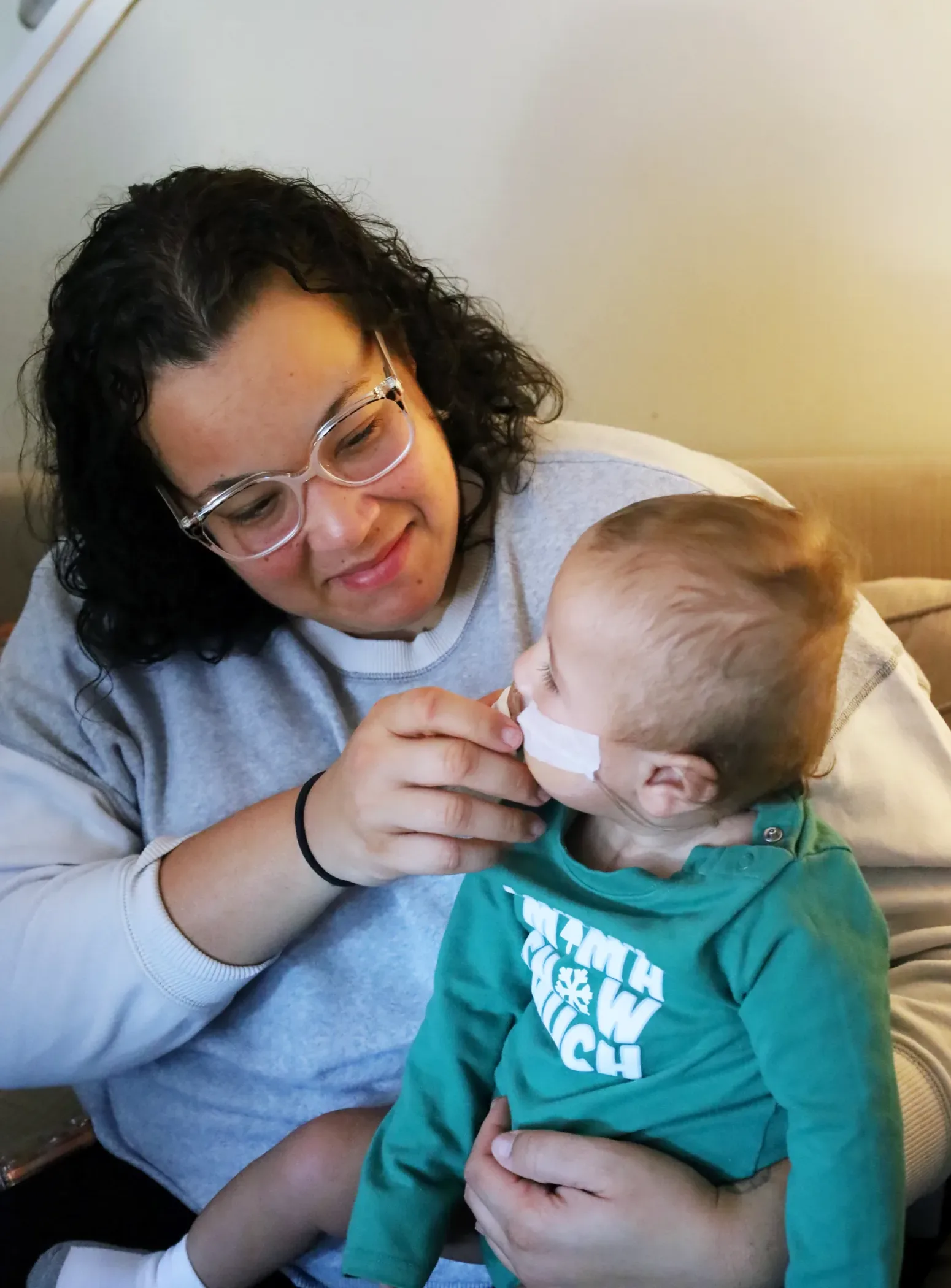
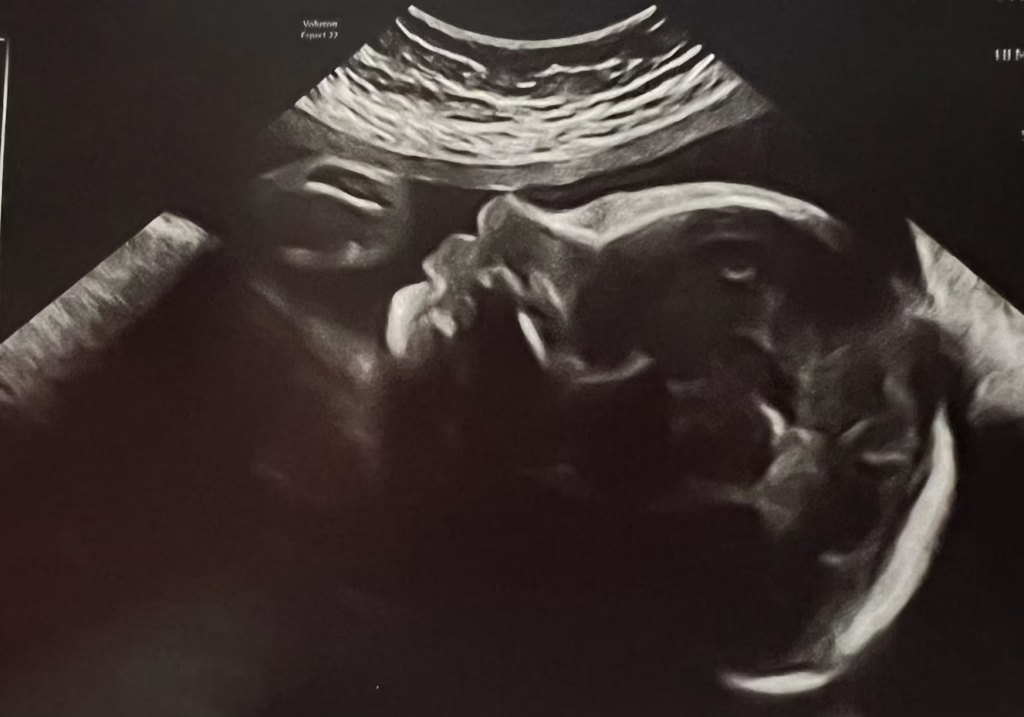
Ambrose’s journey began during Marisa’s 20-week anatomy scan at Peyton Manning Children’s Hospital. Doctors noticed several concerning findings, including an abdominal wall defect and heart abnormalities which turned out to be an omphalocele and a cardiac defect called Double Outlet Right Ventricle/Tetralogy of Fallot. After additional testing, they added another diagnosis: Congenital Diaphragmatic Hernia (CDH), a rare condition where the diaphragm does not fully develop.
The family was referred to specialists at Cincinnati Children’s Hospital, where doctors explained the complexity of Ambrose’s condition and the care he would need after birth.
The goal was simple, though definitely not easy: make it to 34 weeks.
Every week mattered. Those extra weeks would give Ambrose a better chance once he arrived. When Marisa reached that milestone, she made a decision that would shape the rest of the pregnancy.
She moved to the Cincinnati Children’s Ronald McDonald House at 34 weeks and stayed there until Ambrose was born via scheduled c-section at 37+5. It was the safest option for Ambrose, but it meant leaving home and living near the hospital while the rest of the family continued life in Indiana.
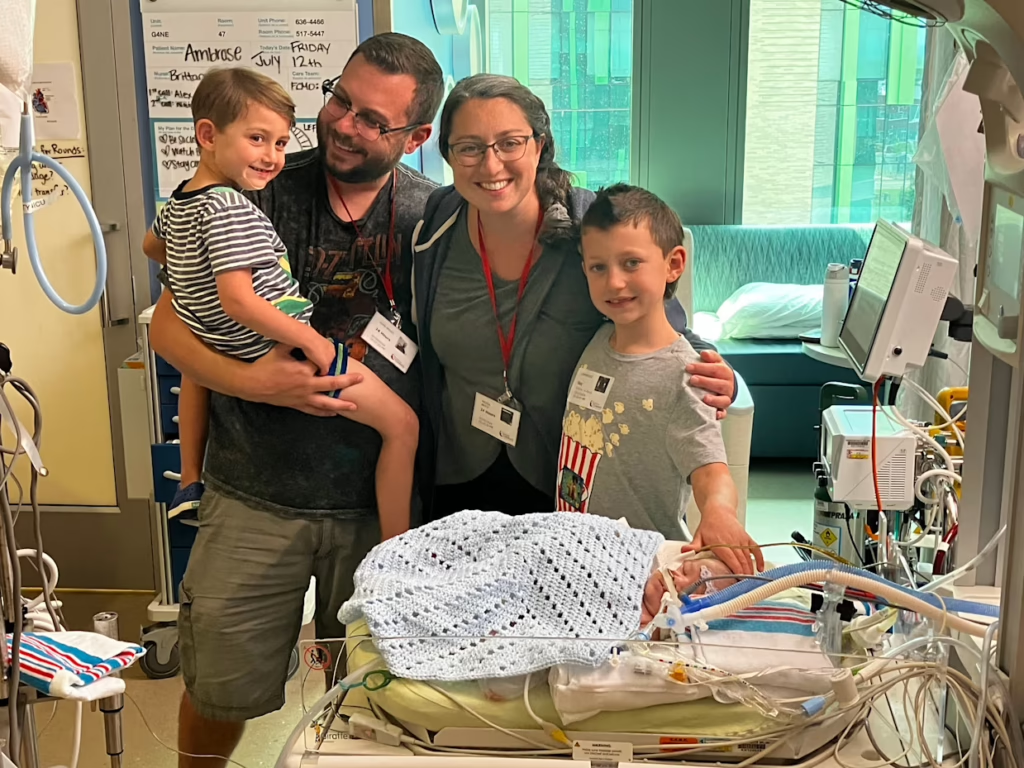
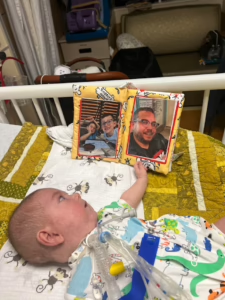
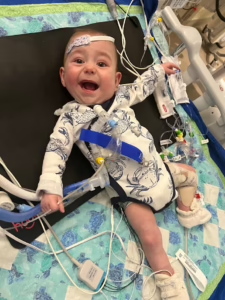
On July 5, Ambrose was born and immediately began a complex medical journey. He was intubated in the delivery room, and within 48 hours, required an oscillator ventilator to support his breathing. A day later, he was placed on Extra Corporeal Membrane Oxygenation (ECMO) to support both his heart and lungs. Just three days after birth, while on ECMO, surgeons performed a repair for his diaphragmatic hernia and his omphalocele.
Doctors discovered that Ambrose had only 10–15 percent of his natural diaphragm, which meant surgeons needed to reconstruct the area using a large patch and a staged closure of his abdomen.
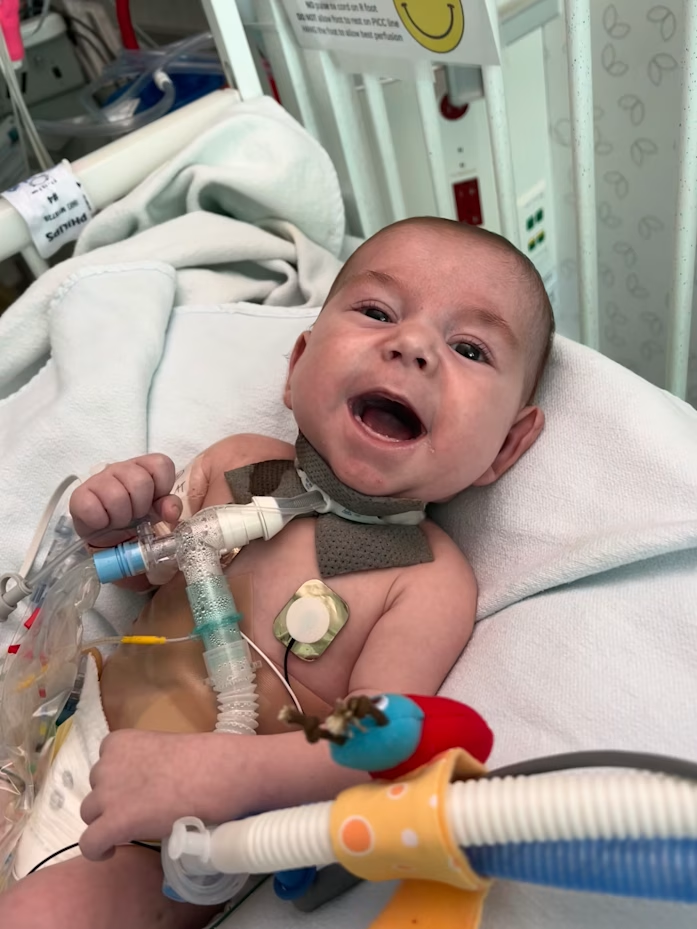
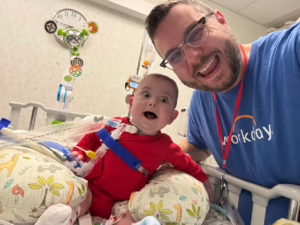
The months that followed were long and complicated. They were filled with procedures, setbacks, small victories, more waiting, and recovery.

The Road Home
By the time Ambrose was preparing to leave the hospital, his family had already navigated months of complex medical care and several major milestones.
After two failed attempts to remove his breathing tube in the NICU, Ambrose received a tracheostomy at about two and a half months old. Around the same time, surgeons were able to close his abdomen following earlier procedures. In the months that followed, he remained inpatient while his abdominal wound healed, underwent open heart surgery, and recovered while his parents completed extensive training on how to manage his trach care at home.
Only after those hurdles were behind them could the team begin preparing to bring Ambrose home. One of the final steps in that process was a Trach Decision Conference, where Ambrose’s care team met with the family to determine what support would be required for him to safely leave the hospital.
Doctors strongly recommended 24-hour nursing support at home since Ambrose relies on a tracheostomy and a ventilator, but Indiana Medicaid initially would not approve that level of care. After months of coordination and advocacy, the family was finally approved to bring Ambrose home with 12 hours of nursing support per day.
Before discharge, Marisa and John completed extensive training, including performing multiple trach changes themselves. One had to be done completely independently before they were cleared to leave.
By the time Ambrose came home on March 10, the family felt prepared. What surprised them most wasn’t the complexity of his care, it was how stable everything felt once they were home.
The Westfield Fire Department even visited their home to train their team on Ambrose’s equipment. Their home was placed on a priority power restoration list through their power supplier, and they installed a whole-house generator to ensure his equipment would never lose power.
Little by little, life began to find its rhythm.
Growing, Learning, and Exploring
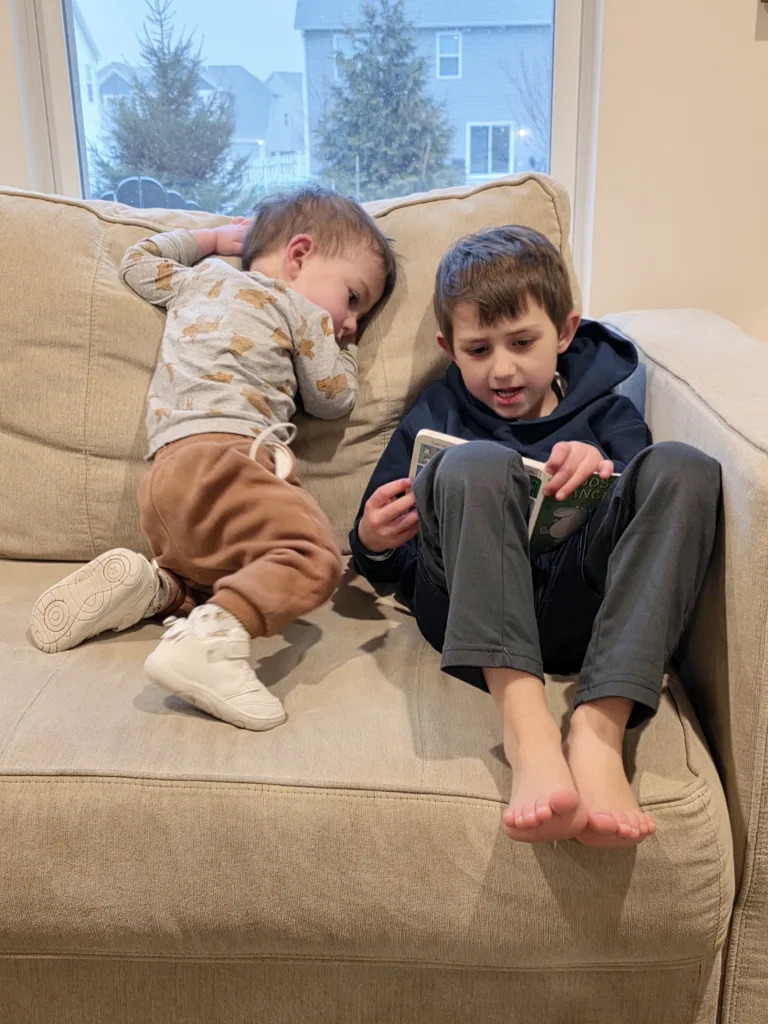
Today, Ambrose is busy being a toddler. He’s practicing American Sign Language and strengthening his gross motor skills. Because of his trach, verbal speech will come later, but his understanding and curiosity are right on track.
He practices eating by mouth during meals while still receiving most of his nutrition through his G-tube, including fortified breast milk overnight. Puffs have become a helpful tool as he learns to chew.
The family laughs about some of their experiments with his food, including one memorable attempt at introducing blended meat through his g-tube. “It is honestly so gross and it has exploded all over the house multiple times,” Marisa joked.
Despite the challenges, Ambrose continues to make steady progress.
A Different Kind of Nursing Care
For the Bruce family, nursing care is about more than medical expertise. It’s about relationships. They intentionally include nurses in their daily routines—meals, walks, playtime—because it creates a more natural environment for everyone.
Marisa describes the role in a way that captures it perfectly.
“It’s medical care, but it’s also nurturing. It’s like medical nannying.”
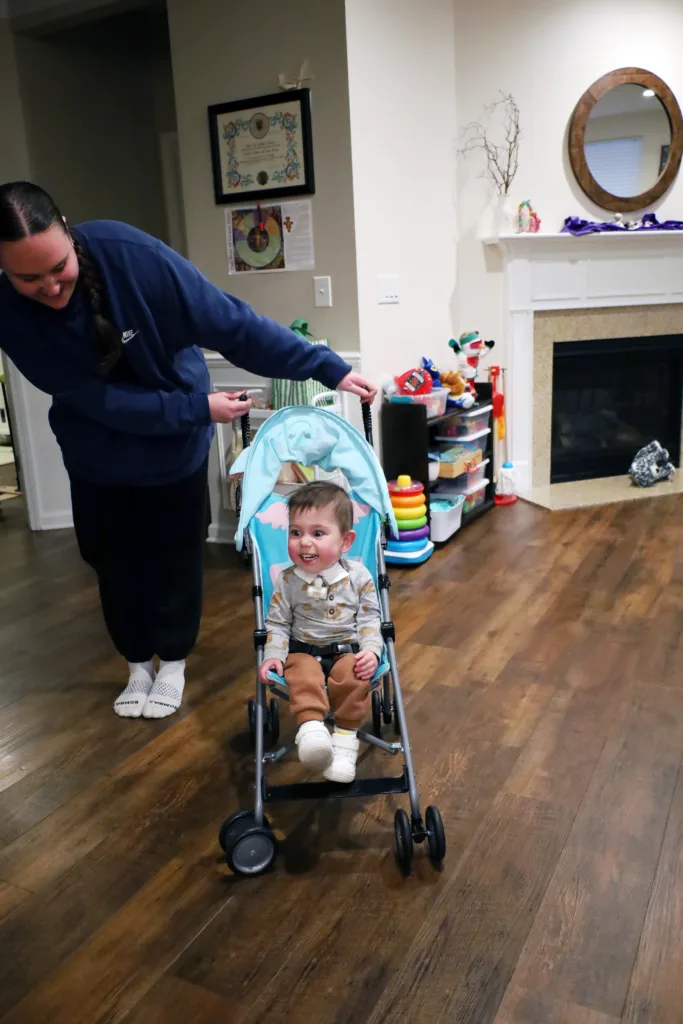
Their Tendercare nurses play with Ambrose, take him to the playground, and help him explore the world around him—all while providing the skilled care he needs.
That balance allows the family to focus on something incredibly important: simply being a family.
Intentional Parenting & Family Help
Marisa and John are intentional about making sure each of their children receives individual attention.
Every other weekend, they schedule one-on-one time with each of their older boys. Liam enjoys quieter activities or more complex games that are easier without younger siblings causing chaos. Cyprian prefers social outings or trying new foods—anything adventurous. The goal is simply to meet each child where they are. It’s another way the family builds connection into their busy lives.
The Bruce family is lucky to have a circle that helps support these intentional parenting goals. Marisa’s parents are a huge part of their circle. Her father Bill is vent trained, so he’s willing to help step in when the family needs him the most. Her mother is always willing to spend time with their boys when they need the extra hand.
A Year of Life at Home
The family recently celebrated more than a year together under one roof.
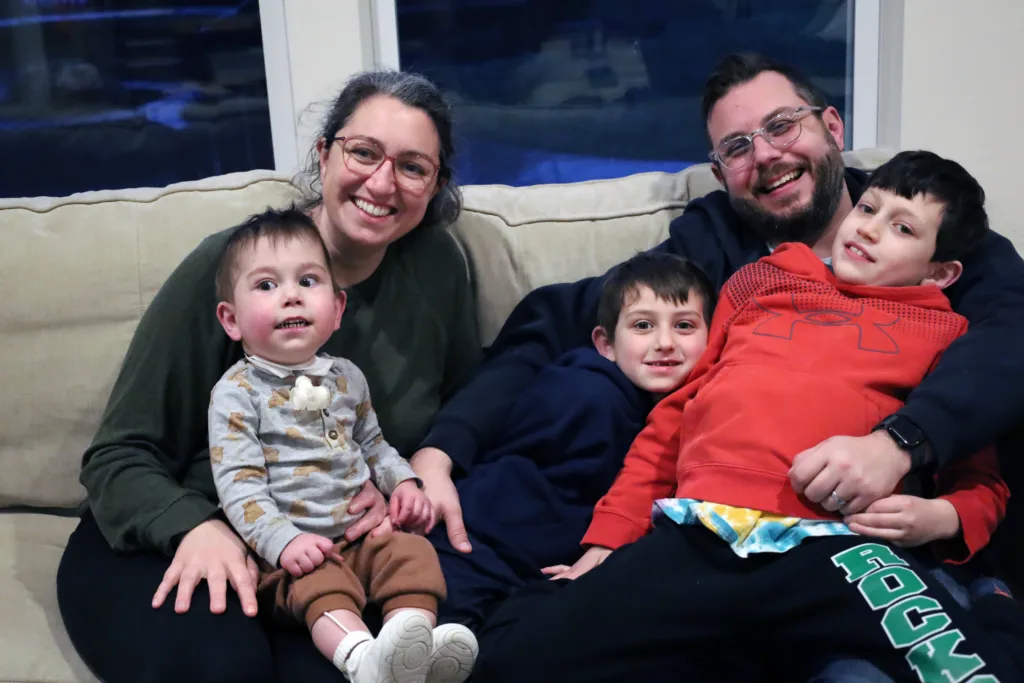
More often than not, their home is filled with curiosity and the chaos that comes with three boys growing up together. At the center of it all is Ambrose—learning new skills, discovering new foods, and surrounded by a family that has prioritized inclusion and keeping their family unit strong.
Supporting Families Like the Bruces
Families caring for medically complex children carry an enormous responsibility every single day. Tendercare’s in-home nurses work alongside families to provide skilled care while helping daily life keep moving. That support means having trusted professionals who bring both clinical expertise and compassionate care into the home.
If your family is navigating complex medical needs at home, Tendercare can help.